



Enrolling your child in a boarding school in Switzerland requires between 6 and 18 months of preparation: choosing the school, compiling the application file, entrance tests, then administrative formalities and a visa. Places are limited and some nationalities are subject to quotas—so it is best to start the process at least a year before the intended start date. The Montreux-Riviera region is home to several leading international schools, accessible to families from all over the world.
Choose the right boarding school before compiling the application file
Before gathering a single document, the first step is to identify the type of school that matches your child’s profile.
Three options are generally distinguished:
- Full boarding: the student lives and studies on campus throughout the school year
- Weekly boarding: the student goes home at weekends or on certain evenings
- Day school with a boarding option: a hybrid model, increasingly common on the Vaud Riviera
The key criteria to review first are the academic programme (IB, A-Levels, American diploma, Swiss Matura), the language of instruction, the age range accepted, and the staff-to-student ratio.
From a regulatory standpoint, private boarding schools in the canton of Vaud are subject to a cantonal authorisation issued by the Department of Education, which ensures compliance with current educational and safety standards.
To weigh the pros and cons before you begin, read our analysis of the advantages and disadvantages of boarding school: it will help you refine your decision based on your child’s age and personality.
Co-educational or specialised boarding school: which profile suits your child?
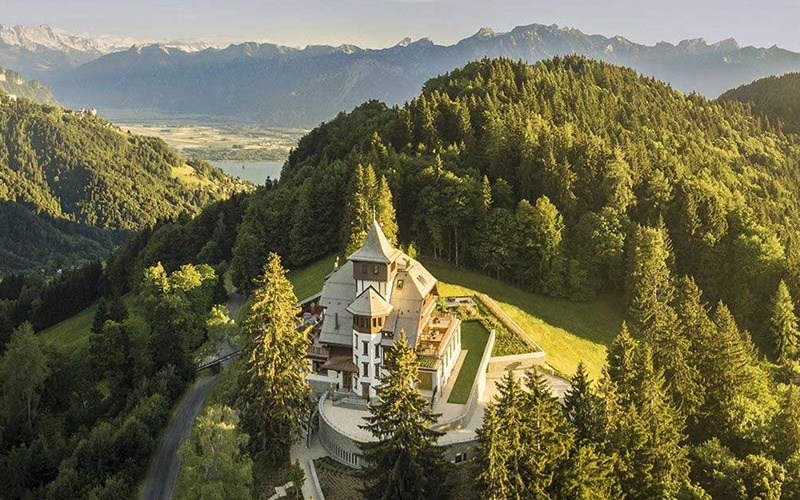
The Vaud Riviera offers schools with very different positioning. Some focus on small class sizes and a family atmosphere—as is the case with Institut Monte Rosa, a co-educational international boarding school for ages 8–19, recognised for its personalised support.
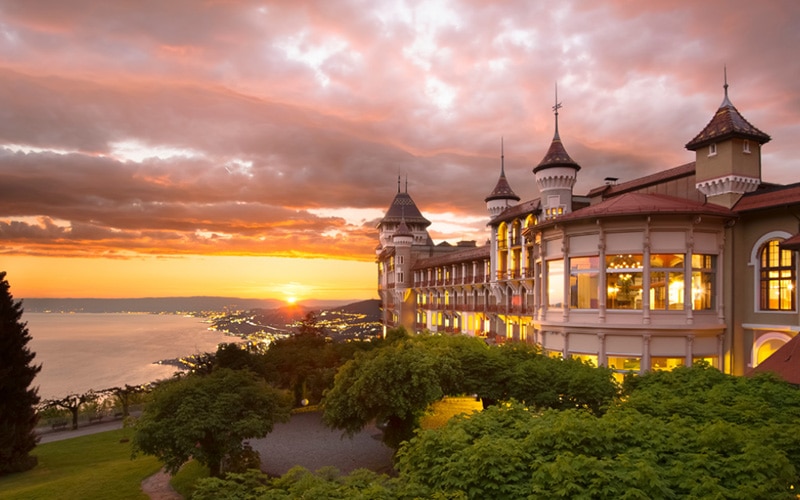
Others are exclusively for girls: Surval Montreux is a 100% girls’ boarding school offering IGCSE, A-Levels and the American High School Diploma.
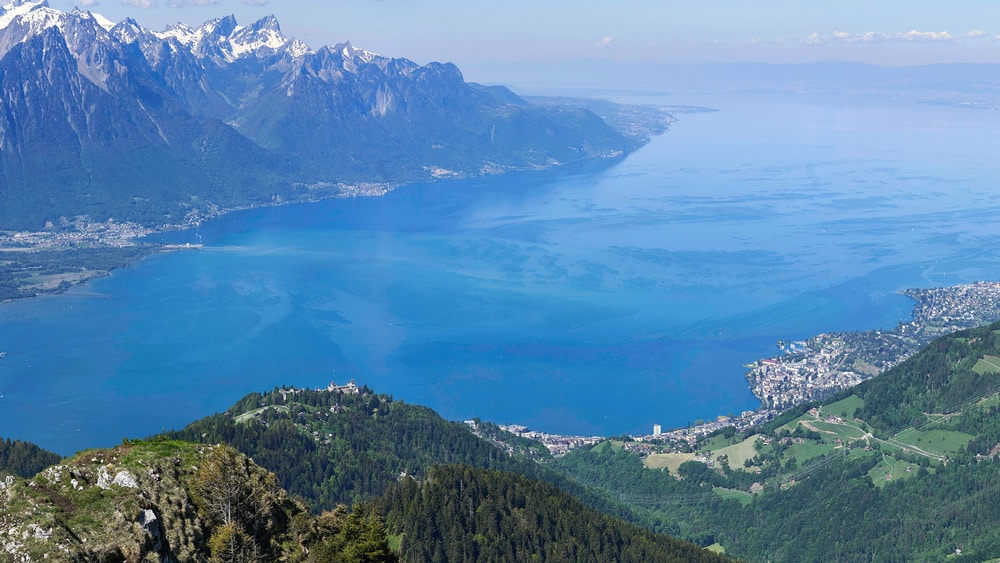
Beyond gender, consider the living environment as much as academic criteria: community size, extracurricular activities, proximity to the lake or the mountains. These factors matter as much as the programme in a boarding student’s overall development.
Compiling the admissions file: essential documents
Each school sets its own requirements, but a core set of documents is common to almost all Swiss boarding schools.
- School reports from the last 2 to 3 years
- Copy of the child’s passport and the parents’ passports
- Medical certificate and up-to-date vaccination record
- Family motivation letter (and sometimes the child’s)
- Letters of recommendation from teachers
- The school’s own application form
A practical tip: create a master file bringing all these documents together from the outset. If you contact several schools in parallel, you will only need to adapt the motivation letter for each one.
Some schools require certified translations for documents written in a language other than French or English. Check directly with the admissions office before incurring translation costs.
Haut-Lac International Bilingual School: an example procedure on the Riviera
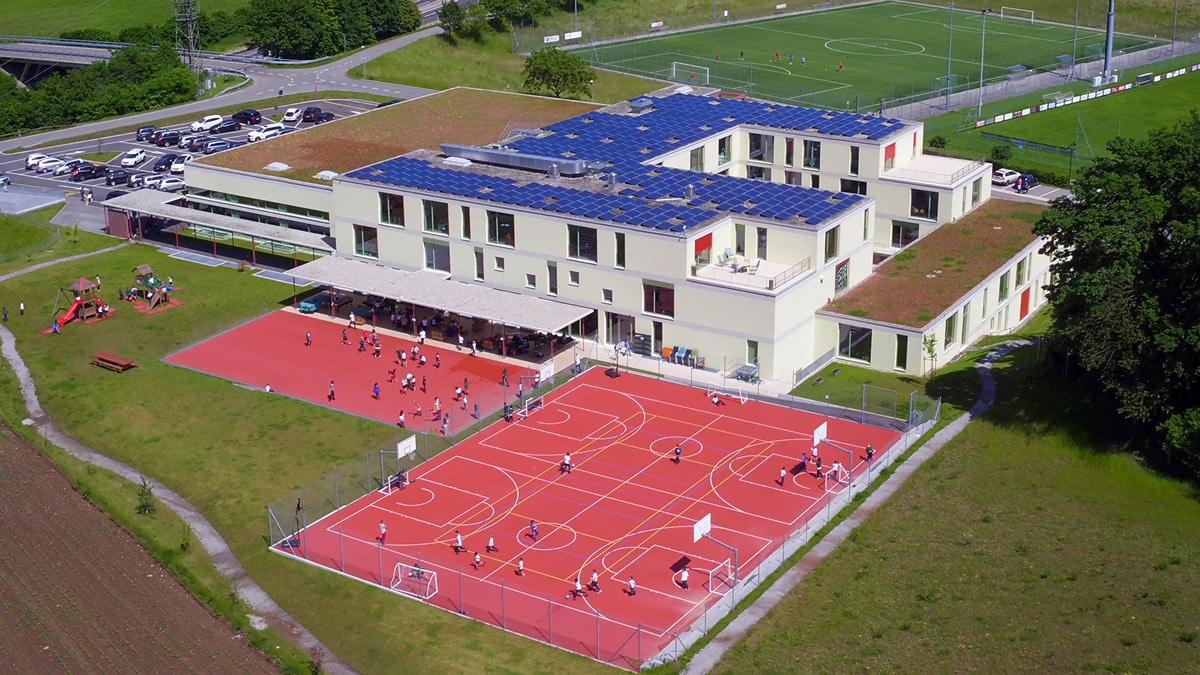
Haut-Lac International Bilingual School, located in Saint-Légier about ten minutes from Montreux, welcomes more than 620 students from 54 nationalities in a French-English bilingual setting or fully English, from ages 3 to 18.
The school offers a residential boarding option from age 11, within the IB Middle Years Programme (IBMYP), followed by the IB Diploma. The boarding house, within walking distance of the campuses, accommodates up to 32 boarders with views of Lake Geneva.
The process begins with a first contact with the admissions team, which responds quickly after an initial review of the request. Families are then invited for a campus visit, followed by an interview with the teaching teams. Required documents include recent school records, teacher references and the child’s medical information.
For international families, the admissions team provides all documents required for the visa application, which parents then submit to the Swiss embassy in their home country—practical support for families based outside Europe.

Haut-Lac International Bilingual School
Entrance tests and interview: what to expect
Most boarding schools on the Vaud Riviera organise an assessment of academic level before accepting a candidate. It generally covers mathematics and English, at a level adapted to the child’s age.
The interview—with the admissions director or an academic lead—may take place in person or by video conference for families living abroad. It is not an exam, but a discussion designed to assess:
- The child’s and the family’s motivation
- Maturity level and specific needs (language support, a particular academic profile)
- Fit with the school’s values and educational approach
Prepare your child for this interview without causing stress: help them talk about themselves with ease—their interests, ambitions, and what they expect from the boarding school experience.
Application timelines and calendar: plan ahead to avoid missing the start of term
The calendar is one of the most underestimated points for families. Starting your research 12 to 18 months before the desired start date is the golden rule for boarding schools on the Vaud Riviera.
Key stages in a typical timeline:
- Autumn N-1: applications open for the September intake
- January to March: application deadline for most schools
- 2 to 8 weeks: the school’s response time after receiving the complete file
Some boarding schools offer a January or February intake (spring entry) for students joining mid-year. This option is not universal—check directly with each school.
Pay attention to nationality quotas: some schools limit the number of students of the same nationality to maintain diversity within their community. Submitting your application early significantly reduces this risk.
To compare calendars and the profiles of the different schools available, see our selection of private boarding schools in French-speaking Switzerland.
Visa, residence permit and post-admission administrative formalities
Once the acceptance letter has been received, administrative formalities can begin. This official document is the central piece of any student visa application.
For non-EU/EFTA nationals, the procedure is as follows:
- Apply for a Type D national visa at the Swiss embassy or consulate in the home country
- Allow an average processing time of 8 to 12 weeks—this must be anticipated
- Register with the local authorities within 14 days of arrival in Switzerland to obtain the residence permit
EU and EFTA nationals benefit from simplified formalities, but municipal registration remains mandatory upon arrival.
Most boarding schools on the Riviera have a dedicated admissions service to guide international families through these steps. Haut-Lac, for example, provides its future boarders directly with all documents to be submitted to the Swiss embassy.
Confirming the place and preparing arrival
Once acceptance has been received, you still need to confirm the place within the deadline set by the school—generally 10 to 15 working days. This deadline involves paying an admission deposit, the amount of which varies by school.
You will then need to finalise the enrolment file with the additional documents requested after acceptance:
- Detailed medical information and insurance forms
- Forms relating to dietary preferences and health needs
- Selection of the extracurricular activities offered by the school
Many schools put in place pre-term integration arrangements: the student is put in touch with a tutor or a “buddy” in the weeks before arrival, which facilitates integration and reduces first-day stress.
The financial question becomes very concrete at this stage: before confirming your commitment, take the time to read our analysis of the average cost of a school year at a Swiss boarding school to anticipate all expense items beyond tuition fees.
For any questions about regulatory specifics or recognised programmes, the experts consulted publish up-to-date resources on the Swiss education system, useful for understanding the framework in which private education in Switzerland operates.