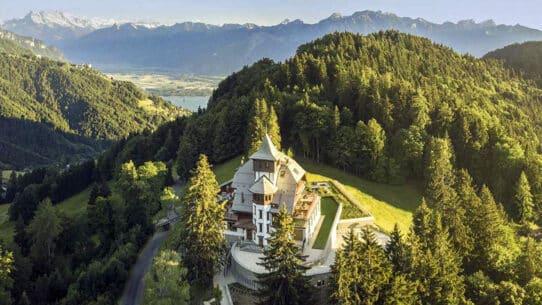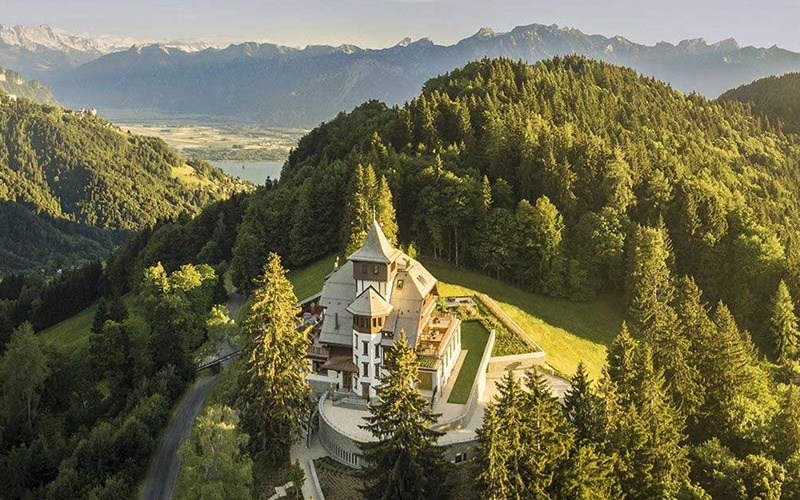



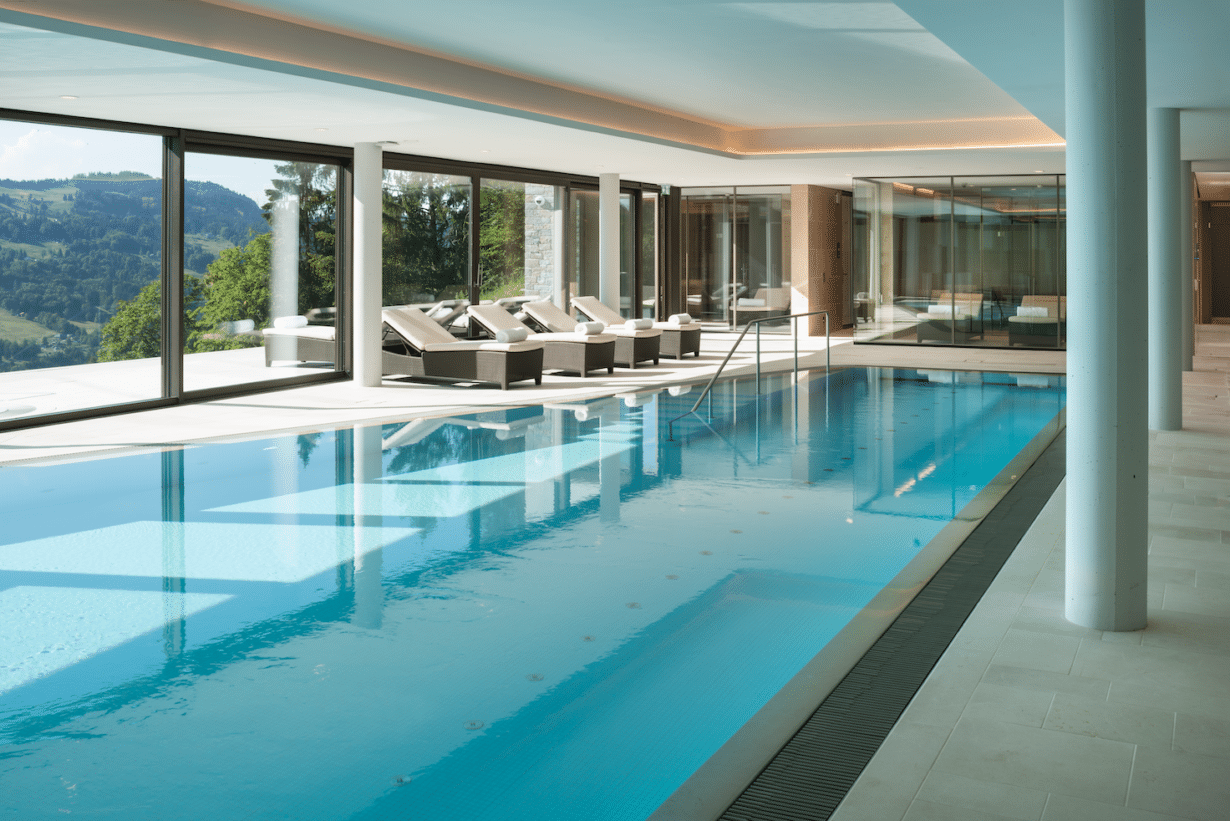

Switzerland ranks among the world’s most recognized destinations for addiction treatment, with clinics combining medical rigor, absolute confidentiality, and exceptional therapeutic settings. To choose the right facility, evaluate the type of addiction concerned, the desired program duration, and the required level of discretion. An independent medical consultation prior to admission is always recommended.
The rehabilitation sector in Switzerland has evolved profoundly over the past two decades. Long limited to strict medical detoxification, specialized facilities now offer comprehensive approaches integrating medical, psychological, and behavioral dimensions. Switzerland has established itself as an international reference destination, supported by its protective legal framework, recognized medical excellence, and ability to guarantee absolute discretion to the most exposed individuals. From Geneva to Montreux, the Lake Geneva Riviera concentrates several leading establishments, combining state-of-the-art medical infrastructure with a natural environment conducive to healing. We offer here a structured overview to help you understand the issues and identify the facility suited to your situation or that of a loved one.
The Different Types of Addictions Treated in Switzerland
Swiss rehabilitation clinics cover a particularly broad therapeutic spectrum. Substance addictions remain the most frequently treated: alcohol, illicit drugs (cocaine, opioids, cannabis), as well as dependencies on medications such as benzodiazepines or painkillers.
Concurrently, behavioral addictions are receiving increasing attention: gambling and video games, emotional and sexual dependencies, eating disorders, compulsive screen use. These pathologies require specific protocols, distinct from those applied to chemical dependencies.
The initial assessment plays a decisive role: a rigorous differential diagnosis distinguishes acute withdrawal—a critical medical phase—from medium- and long-term rehabilitation. Detoxification duration varies considerably depending on the substance involved, from a few days for certain stimulants to several weeks for alcohol or opioids.
Therapeutic Approaches in Swiss Rehabilitation Clinics
Medically Assisted Programs and Secure Withdrawal
Supervised withdrawal constitutes the essential first step of any rehabilitation journey. Swiss facilities have multidisciplinary medical teams providing 24/7 monitoring, indispensable given the life-threatening risks certain withdrawals can present—particularly those from alcohol and benzodiazepines, which can trigger seizures or delirium tremens.
Medical detoxification relies on scientifically validated protocols: controlled substitution therapies, gradual dose reduction, medication management of withdrawal symptoms. Therapeutic substitution—particularly for opioids—allows patient stabilization before engaging in deeper psychological work.
Psychological Therapies and Holistic Support
Beyond physical withdrawal, sustainable rehabilitation relies on in-depth psychological work. Cognitive-behavioral therapy (CBT) and dialectical behavior therapy (DBT) are among the most proven approaches, enabling identification of thought patterns associated with addiction and development of effective coping strategies.
Psychodynamic approaches and trauma treatment via EMDR are also offered in the most comprehensive facilities. Management of psychiatric comorbidities—depression, anxiety disorders, bipolar disorders—is often decisive for treatment success.
The holistic approach completes this framework: mindfulness meditation, yoga, art therapy, equine therapy, and sometimes music therapy. These practices foster reconnection with oneself and strengthen resilience against relapse risk. Group therapies and 12-step programs offer an essential community dimension.
Selection Criteria for a Rehabilitation Clinic in Switzerland
Confidentiality and Discretion: A Decisive Factor
For many individuals—business executives, public figures, healthcare professionals—absolute confidentiality represents a selection criterion as important as medical quality itself. The Swiss legal framework offers one of the world’s strongest protections regarding medical confidentiality, reinforcing the country’s attractiveness for an international clientele concerned about reputation.
Facilities operating with small patient numbers guarantee total discretion that large hospital structures cannot offer. The geographical environment also plays a role: clinics nestled on lakeshores or in the heart of the Alps enable beneficial therapeutic isolation while maintaining the possibility of supervised family or professional contact.
Program Duration and Type of Accommodation
Program duration varies according to addiction severity and relapse history. Short programs of 2 to 4 weeks suit first-time treatments or simple withdrawals. Programs of 3 to 6 months address complex situations with multiple relapse histories or severe comorbidities.
Full hospitalization remains the most effective modality for severe cases, guaranteeing a protected environment and continuous monitoring. Outpatient or semi-residential programs allow maintenance of professional activity, an important criterion for certain profiles. The aftercare phase—outpatient follow-up, support groups, relapse prevention—often determines the sustainability of results obtained in residential settings.
Overview of Rehabilitation Clinics on the Lake Geneva Riviera and in Switzerland
The Lake Geneva Riviera concentrates a remarkable offering of rehabilitation clinics, benefiting from a natural setting between lake and mountains particularly conducive to care. The therapeutic excellence of these facilities combines with high-end hospitality services, meeting the expectations of a demanding international clientele.
Clinic Les Alpes stands out as one of the region’s reference facilities for addiction treatment and mental health. Located in a preserved environment, this clinic offers intensive and personalized programs, combining rigorous medical care with in-depth psychotherapeutic support. Its dual expertise in addictology and psychiatry enables treatment of the most complex situations, particularly when addiction and psychiatric disorder coexist.
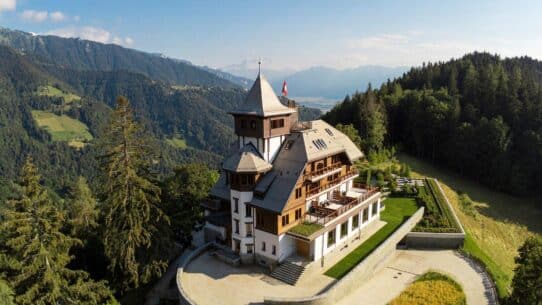
Clinic Les Alpes
Beyond the Riviera, several Swiss facilities complete the national offering. Kusnacht Practice and Paracelsus Recovery in Zurich are renowned for their ultra-personalized programs designed for affluent clientele. Privatklinik Meiringen in the Bernese Oberland offers a remarkable alpine setting for extended rehabilitation stays. These facilities, although not members of ACEIRV, demonstrate the density and quality of the Swiss offering in rehabilitation.
Admission Process and Financial Coverage
Admission to a Swiss rehabilitation clinic generally follows a structured process: preliminary assessment interview, comprehensive medical evaluation, and psychometric questionnaires enable orientation toward the most appropriate program. Some facilities can admit patients urgently within 24 to 48 hours; others operate on waiting lists for planned admissions.
Rehabilitation costs vary considerably depending on duration and level of service: expect between CHF 20,000 and CHF 100,000 for a complete program. Financial coverage depends on the type of insurance subscribed. Swiss supplementary insurance may cover all or part of the costs, subject to formal medical recommendation and compliance with contractual conditions. International insurance policies, particularly those of expatriates, often have specific agreements with Swiss private facilities.
Partial coverage remains possible depending on the diagnosis and the nature of the chosen facility. We strongly recommend verifying reimbursement conditions in advance with your insurer, and relying on resources available from sector experts to obtain guidance suited to your situation.
Choosing a rehabilitation clinic in Switzerland means above all choosing a comprehensive therapeutic project—from acute detoxification to progressive social reintegration. The quality of the continuum of care, from admission to aftercare follow-up, largely determines the chances of lasting success. Whatever the situation, an independent medical assessment remains the recommended first step: it identifies the truly appropriate program, beyond criteria of reputation or comfort. With appropriate support, recovery trajectories are very real—and Switzerland offers, for this purpose, one of the most favorable settings in the world.