



A cellular revitalisation programme combines an in-depth medical assessment, targeted treatments (nutrition, micronutrients, recovery techniques) and daily monitoring over several days. The aim is to support the body’s natural regeneration mechanisms, without any promise of a cure. The Vaud Riviera is home to several establishments recognised in this field for nearly a century.
Montreux and its surrounding area have long stood out in the field of preventive and anti-ageing medicine. The lakeside climate, proximity to the Alps and a long-standing medical tradition partly explain why several specialised clinics have set up in the region, attracting an international clientele seeking premium health assessments and regeneration programmes.
This article explains the scientific rationale behind cellular revitalisation, the typical structure of a protocol, the treatments used during a stay, and the expected benefits and limitations to be aware of before committing.
What is cellular revitalisation?
Cellular revitalisation refers to a set of medical practices designed to support the body’s natural regeneration mechanisms. It involves acting on recognised factors that influence cellular ageing: nutritional quality, sleep, oxidative-stress management and hormonal balance.
The scientific foundations often cited—such as the role of telomeres or mitochondria in ageing—remain an active area of research. To date, no protocol has been proven to reverse ageing in a lasting and demonstrable way.
What sets a revitalisation stay apart from a simple fitness reset is the accompanying medical and diagnostic approach. A comprehensive assessment always precedes the treatments, making it possible to tailor the protocol to the person’s actual situation rather than offering a generic programme.
This type of stay generally targets three profiles: executives under intense workload looking to prevent burnout, patients followed in preventive medicine, and people in light convalescence—excluding intensive rehabilitation, which falls under a different medical framework.
Origins of the method in Montreux Riviera
The region’s positioning in this premium health niche dates back to the 1930s. Dr Paul Niehans founded Clinique La Prairie in Montreux in 1931, drawing on a method of cellular therapy he had developed.
This history helps explain why the Vaud Riviera has been internationally associated with longevity and preventive medicine for nearly a century. Other establishments subsequently followed in its wake, strengthening the region’s reputation in this field.
The medical protocol, step by step
A cellular revitalisation stay generally follows a similar structure from one establishment to another, even if the details vary. The first step is a comprehensive health assessment: blood tests, sometimes medical imaging, and an in-depth consultation with the medical team to clarify objectives and medical history.
On this basis, the protocol is personalised according to age, overall health and the person’s priorities: renewed energy, better sleep, immune support or skin quality.
- Targeted nutrition and supplements tailored to the assessment
- Active treatments (infusions, recovery techniques)
- Daily medical monitoring throughout the stay
The length of such a stay typically ranges from a few days to around a week, depending on the establishment and the objectives set during the initial assessment.
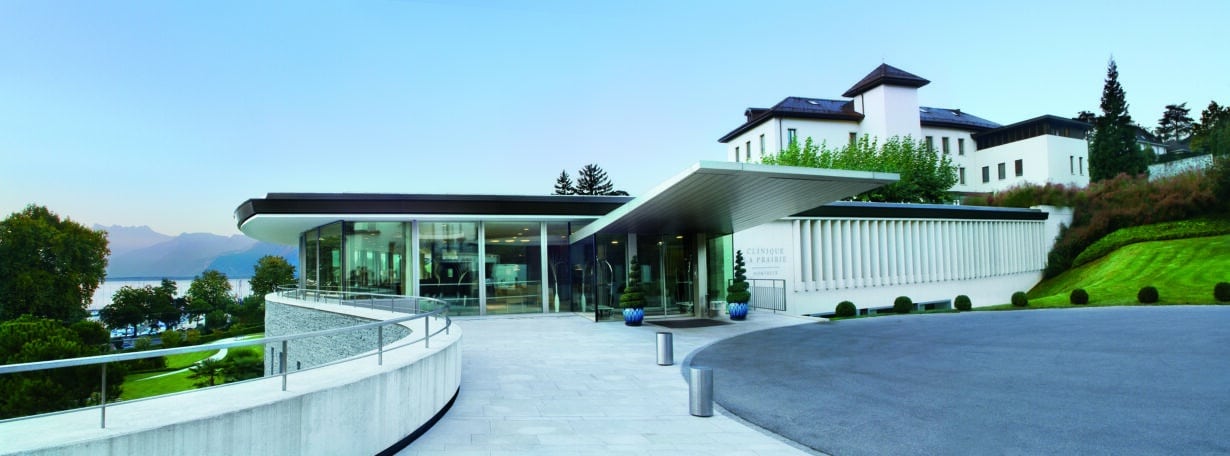
Clinique La Prairie holds a particular place in this landscape: a pioneer of the cellular revitalisation concept in Montreux, it has built its reputation on a strictly supervised medical approach, in which the health assessment systematically precedes any protocol. Today, its positioning sits within the longevity field, with a multidisciplinary team combining preventive medicine, nutrition and personalised follow-up. The establishment continues to develop its own methodology, shaped by nearly a century of experience, while adapting it to current medical knowledge.

Clinique La Prairie
Treatments used during the stay
Beyond the initial assessment, several types of treatments recur frequently in revitalisation programmes: micronutrient infusions, oxygen therapy, topical cellular treatments and physical recovery techniques. These treatments are generally combined rather than offered in isolation.
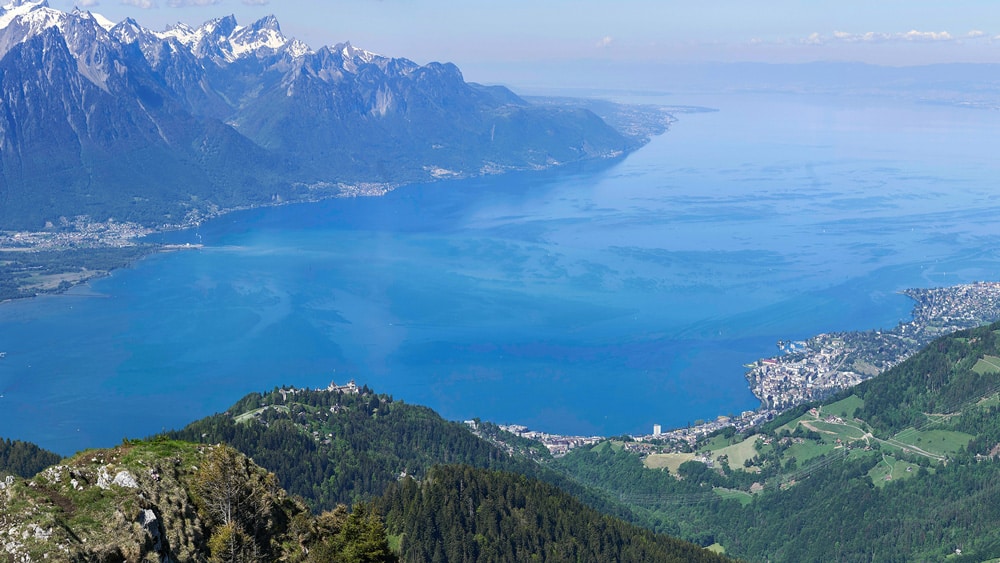
The environment also plays a role in the perceived effectiveness of the stay. The Vaud Riviera’s lakeside climate, moderate altitude and calm setting are often cited by local establishments as factors that support recovery, alongside medical care.
The level of medical supervision varies across the stay: some phases take place under continuous supervision, while others allow room for self-administered care within a framework defined by the medical team.
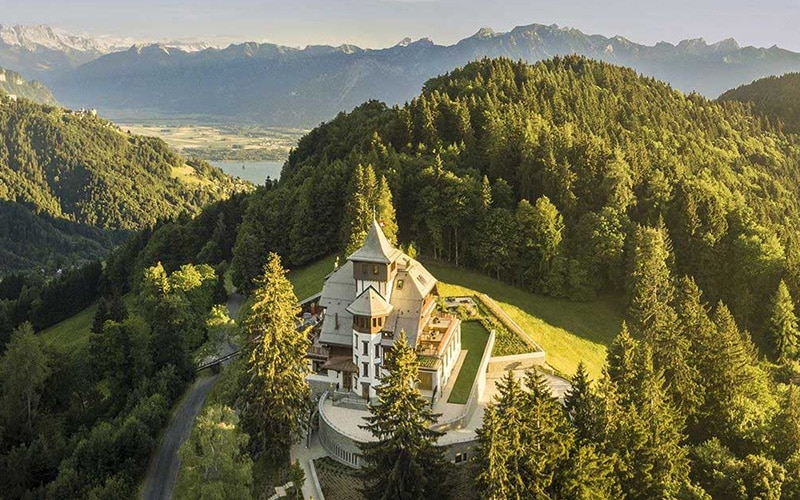
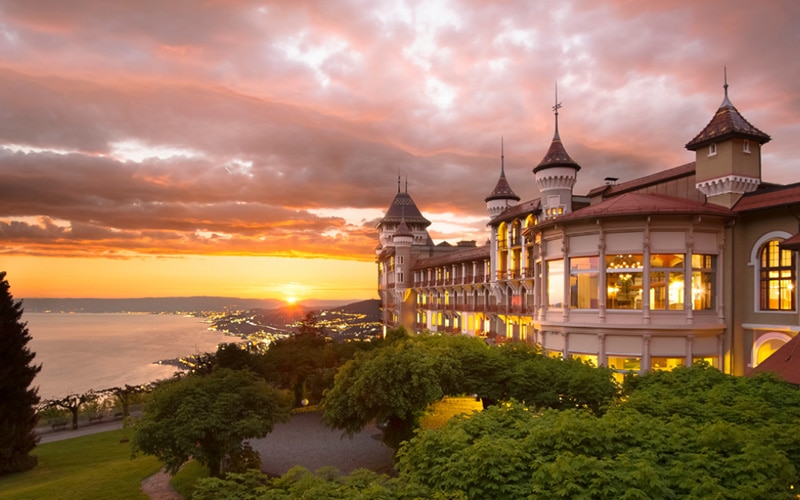
The Health Center Clinique Lémana, located in Mont-Pèlerin, illustrates an approach that complements that of Clinique La Prairie. This preventive, anti-ageing medicine centre places emphasis on the comprehensive check-up as the gateway to revitalisation, before offering wellbeing programmes structured around the person’s overall balance. Recognised since 1952 for its revitalisation and anti-ageing treatment, the establishment stands out for a setting different from that of Clinique La Prairie: it overlooks the lake from the heights of Mont-Pèlerin, offering a more secluded atmosphere for this type of programme.

Health Center Clinique Lémana
The role of the Vaud Riviera’s natural setting
The link between a lakeside climate, air quality and physiological recovery is regularly highlighted by establishments in the region. A calm environment, combined with good air quality, generally supports better recovery, without replacing structured medical follow-up.
For a broader health assessment before considering a revitalisation stay, it may be useful to consult a premium health assessment in Switzerland, a step often recommended by establishments in the region.
Expected benefits and programme limitations
The benefits most often reported after a cellular revitalisation stay include renewed energy, improved sleep quality, better physical recovery and a visible effect on the skin. These reports remain subjective in nature and vary from person to person.
None of these programmes constitutes a promise of a cure. Switzerland’s regulatory framework strictly governs health claims, and reputable establishments avoid any messaging that suggests a guaranteed or definitive effect.
A distinction should be made between the short-term perceived effect, often clearly noticeable on leaving the stay, and long-term benefits, which largely depend on post-stay support: lifestyle habits, regular medical follow-up and adjustments to daily routines.
Who this type of stay is for, and how to choose
This type of programme is primarily intended for several profiles: executives seeking to prevent mild professional burnout, patients followed in preventive medicine, or international health travellers looking for a comprehensive assessment in a recognised setting.
To choose an establishment, several criteria are worth checking:
- The facility’s medical accreditation
- The presence of a multidisciplinary team
- The quality of the personalised follow-up offered during and after the stay
It is important to clearly distinguish a cellular revitalisation centre from a rehabilitation centre or a psychiatric clinic: these structures address different medical needs, with teams and protocols specific to each situation. To explore approaches to anti-ageing medicine on the Vaud Riviera in more depth, it is possible to compare the positioning of the region’s different establishments.
Internationally, healthy ageing is receiving growing attention, driven in particular by specialists in the field who emphasise the importance of a holistic approach combining prevention, medical follow-up and lifestyle adjustments rather than a standalone solution.