



Boarding schools in Switzerland offer a range of services that goes far beyond accommodation: residential supervision, adapted catering, sports and artistic activities, and personalized academic support. The level of these services varies depending on the institution’s positioning, whether co-educational, all-girls, or bilingual. Comparing these offerings allows families to choose a structure aligned with the student’s needs.
Accommodation, the primary pillar of daily boarding life
The most visible service of a boarding school remains accommodation. Rooms, individual or shared depending on the students’ age, offer a comfortable setting conducive to concentration.
Residential life supervision is generally based on ‘house parents’ or tutors who are permanently present, responsible for supporting students daily, from managing free time to respecting schedules.
- Continuous supervision, day and night, provided by residential staff
- Organization of group life by age group or ‘house’
- Security measures specific to each institution
The case of all-girls boarding schools
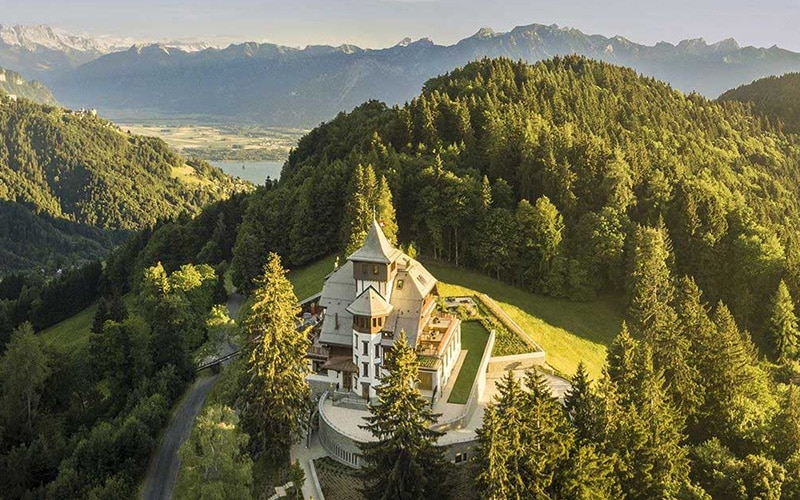
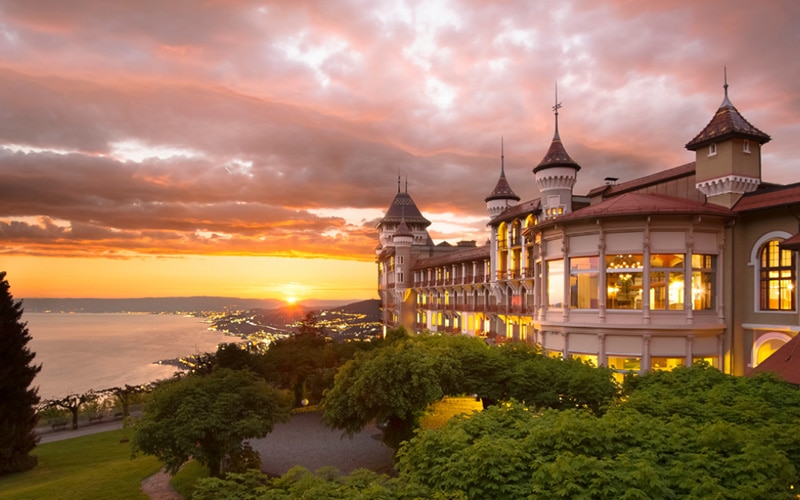
Surval Montreux illustrates this approach in an exclusively female setting. The school welcomes young women aged 12 to 19 in an international boarding school structured around small groups, which fosters autonomy and leadership development. The academic program combines several recognized options, including the IGCSE, A-Level, and American High School Diploma, with small class sizes allowing for individualized support. Residential life extends this pedagogy, with daily supervision attentive to the balance between academic rigor and personal fulfillment.
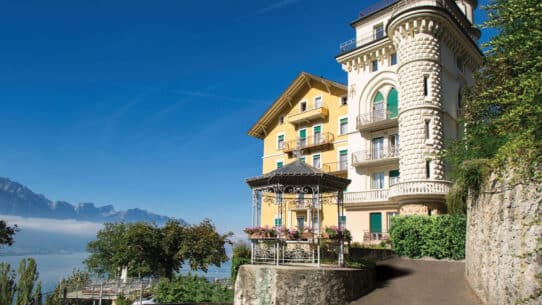
Surval Montreux
To compare several options in the region, the list of private boarding schools in French-speaking Switzerland allows for broadening the search to other institutions with varied profiles.
Catering, balancing nutritional needs and community life
In most Swiss boarding schools, meals are designed by dedicated teams, sometimes supported by nutritionists, to ensure a balanced diet adapted to students’ growth and academic rhythm.
Special diets, allergies, religious beliefs, or vegetarian choices are taken into account when developing menus. This flexibility has become a standard expected by international families.
Beyond nutrition, meals serve a social function in boarding life. They often provide a moment for students of different nationalities to interact and develop their social skills outside the academic setting.
Sports and artistic activities, supervision beyond classes
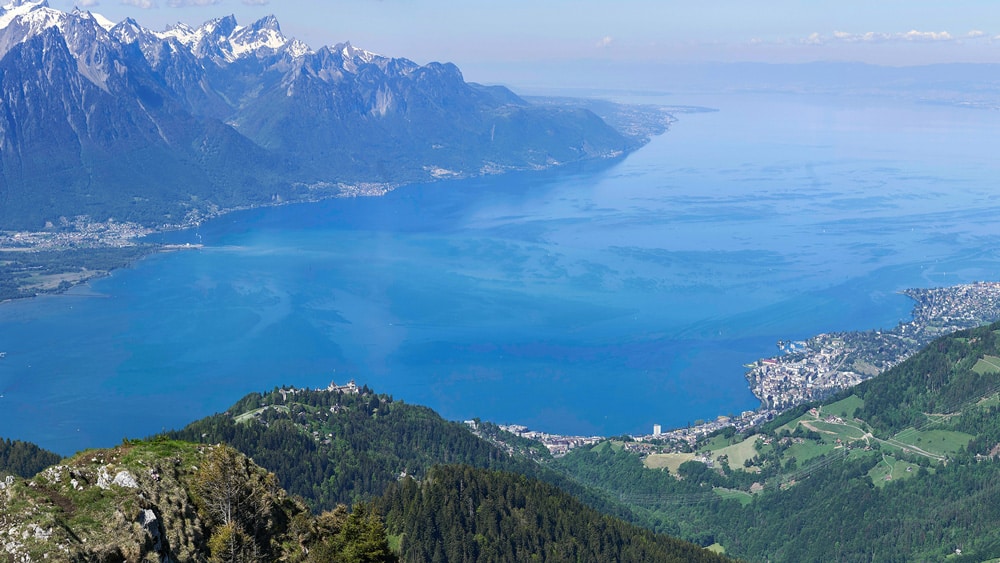
The Lake Geneva region offers fertile ground for sports activities: skiing and mountain sports in winter, sailing and water sports on Lake Geneva the rest of the year, not to mention horse riding or tennis, often offered directly on campuses or through local partnerships.
Artistic workshops, music, theater, visual arts, complement this offering. They allow students to develop skills outside the academic framework, while fostering the cultural openness characteristic of multinational environments.
An example of a bilingual school with structured extracurricular life
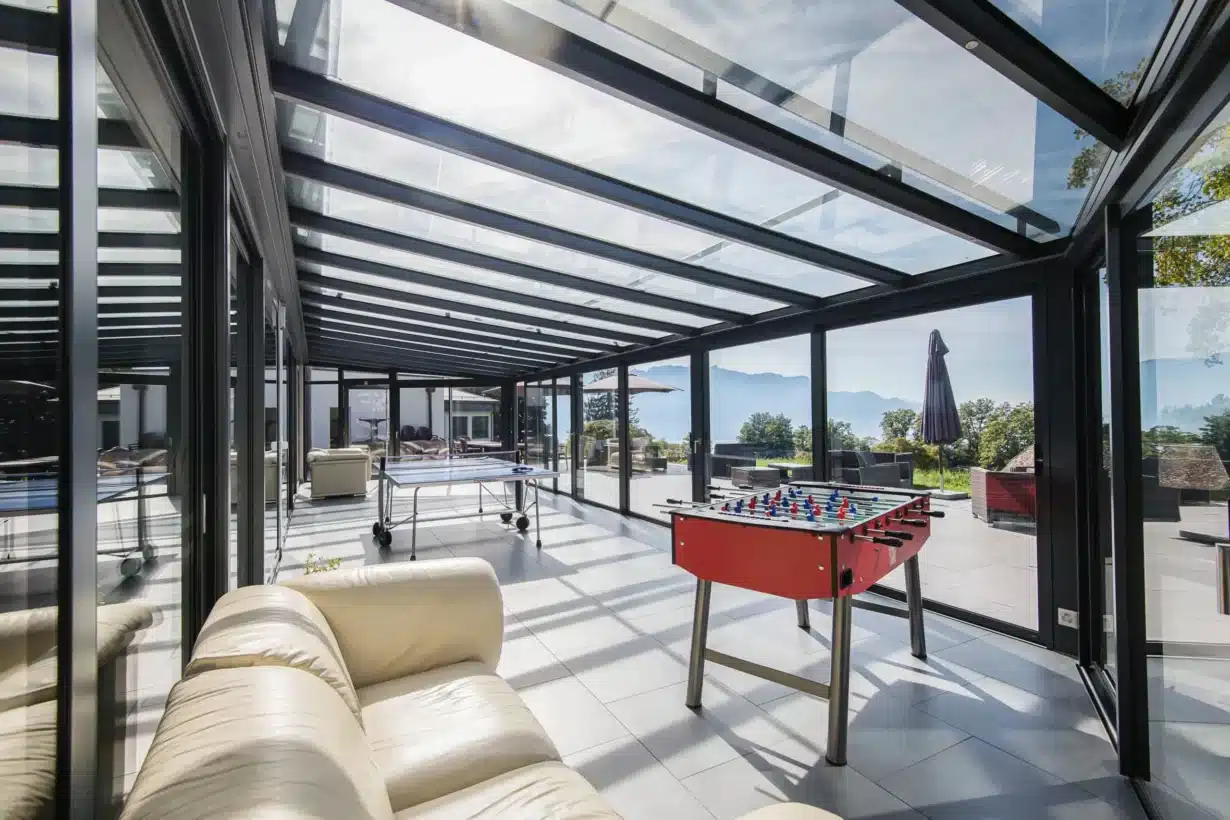
Haut-Lac International Bilingual School illustrates another facet of the region’s educational landscape. The institution operates primarily as a day school and welcomes over 620 students representing some fifty nationalities, in a multicultural setting. The French-English bilingual curriculum is accompanied by an extracurricular and artistic activities program designed to extend learning beyond class hours. The emphasis is on reinforced academic supervision and a wide range of activities that structure the students’ day, including skiing, expeditions, and creative workshops, in a spirit similar to what families seeking a boarding school look for.
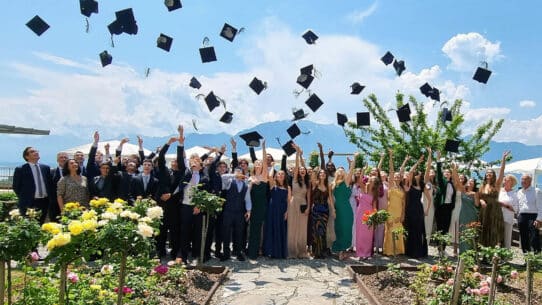
Haut-Lac International Bilingual School
For families who are hesitant between these two options, the page dedicated to the advantages and disadvantages of boarding school provides useful comparison elements before making a decision.
Academic support and personalized academic supervision
Academic support is a central service in most boarding schools in the region. Small class sizes allow for individualized monitoring, complemented by tutoring for students who need it.
- Evening homework supervision, overseen by residential staff
- Targeted preparation for international exams (IB, A-Levels, IGCSE)
- Enhanced support during transitions between academic levels
Other institutions in the region, such as Institut Monte Rosa, illustrate this diversity of academic approaches offered in boarding schools, each with its own programs and pedagogical organization.
For families wondering about practical arrangements, the question of the minimum age to enter a boarding school in Switzerland remains a determining factor in choosing an institution.
How these services vary according to the school’s profile
Co-educational, all-girls, or bilingual schools do not organize their services in the same way. An exclusively all-girls school structures its residential life around dynamics specific to this demographic, while a bilingual day school prioritizes the intensity of the academic and extracurricular program.
The size of the institution also influences the level of personalization possible: the smaller the student body, the more individualized support can be provided, whether residential, academic, or extracurricular.
Before making a choice, it is advisable to visit the institutions and concretely compare their offerings. Families can also rely on public resources to objectify their decision: the Swiss Conference of Cantonal Directors of Public Education provides work carried out by specialists in the field on the monitoring of the Swiss education system.